

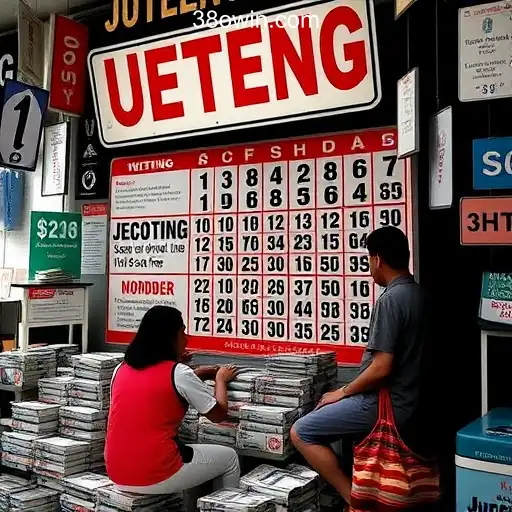
Understanding Jueteng: A Deep Dive into the Controversial Numbers Game
Jueteng is a widely recognized numbers game in the Philippines, often discussed in hushed tones due to its illegal status and the controversies surrounding it. The game traces its origins back to the Spanish colonial era, transforming from a small-scale local betting event to a potent symbol of illicit gambling intertwined with politics and corruption.
The Mechanics of Jueteng
At its core, Jueteng operates on a simple principle where bettors select a combination of numbers, typically ranging from 1 to 37. These numbers are then drawn daily, with winners receiving substantial cash prizes relative to their wagers. Despite its simplicity, the game has a complex framework involving a diverse network of operators, collectors, and financiers, who manage the daily operations and earnings.
Why Jueteng Persists in Philippine Society
Despite continuous efforts by the government to curb its operations, Jueteng remains deeply ingrained in Filipino culture. This persistence can be attributed to several factors. Firstly, it provides a source of livelihood for many, from the lowly 'cobradores' (collectors) who earn commissions from the bets they gather to more high-ranking officials within the syndicate who benefit financially.
Secondly, Jueteng offers a promise of hope to the masses. For many participants, it represents a chance to improve their lives through a small investment. The lack of bureaucratic barriers and ease of participation make it far more accessible than formal gambling options such as government-sanctioned lotteries.
Political Implications
Jueteng's reach extends beyond gambling; it has significant political implications. Funds generated from Jueteng are reportedly funneled into political campaigns, altering electoral outcomes and fostering alliances that protect its continuance. This integration into the political landscape creates a complex challenge for those aiming to dismantle Jueteng networks.
Efforts to Combat Illegal Gambling
Throughout the years, various administrations in the Philippines have launched campaigns to eradicate Jueteng. These efforts range from policy reforms to law enforcement crackdowns. However, such campaigns often face resistance due to the game’s deep-rooted connections in local communities and politics, manifesting the difficulty in bridging legal loopholes and the enforcement of existing laws.
In spite of its illegal status, discussions continue on whether legalization could serve as a viable alternative to mitigate corruption and regulate the industry. Legalizing and regulating Jueteng could increase transparency and potentially channel revenues into public coffers, similar to other gambling taxes.
The Rise of Online Platforms
With the shift towards digital solutions, gambling enthusiasts see reduced legal complications in online platforms such as the 380win.COM platform-online Slots Brasil #1. These platforms not only provide a medium for traditional casino games but also offer an experience that echoes the excitement of Jueteng without legal complexities in different jurisdictions. By migrating to these platforms, bettors benefit from increased anonymity and the simplicity of online transactions.
Platforms like 380win.COM allow players to indulge in various games, providing opportunities similar to Jueteng in a legal framework. Brazil has emerged as a significant market for online gambling, drawing worldwide attention for its dynamic and regulatory developments.
Jueteng and Its Cultural Resonance
While often portrayed negatively due to its illegal nature, Jueteng holds cultural resonance in the Philippines. The game’s existence is a testament to the resilience and creativity in Filipino society, reflecting socio-economic conditions and the enduring hope for prosperity among the populace. Any discussion on Jueteng invariably involves considering its socio-political influences and the potential paths towards a more regulated future.
As technology continues to evolve, the debate about Jueteng’s place in society will likely persist. Observing its parallels with emerging online gambling platforms may shed light on effective methodologies for regulation and community engagement.